Rice feeds more than half of the world's population, yet very few of us know the incredible journey each grain takes before landing on our plate. At Amritdhaan Wilmar, transparency is at the heart of what we do.
It all starts in the paddy fields, primarily in the fertile plains of Punjab, Haryana, and Uttar Pradesh for Basmati rice. Farmers plant seedlings during the monsoon season (June-July), and the crop takes about 120-150 days to mature. Basmati rice specifically requires the temperature variation between day and night that these northern plains provide.
After harvesting in October-November, the paddy goes through threshing to separate the grain from the stalk. The raw paddy is then dried to reduce moisture content to about 12-14%, which is critical for safe storage and milling.
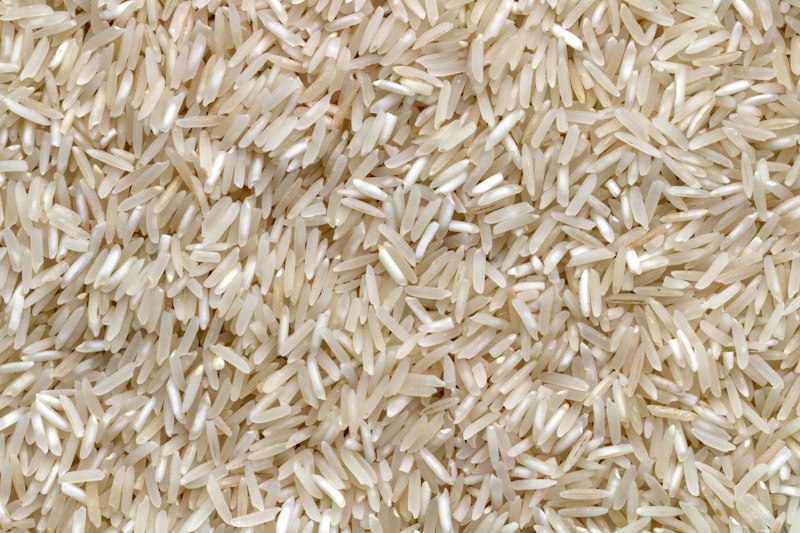
At the mill, paddy undergoes husking (removing the outer husk), whitening (removing the bran layer), and polishing. For Sella rice, an additional parboiling step happens before milling — paddy is soaked, steamed, and re-dried, which pushes nutrients from the bran into the grain.
Grading and sorting come next. Modern colour sorters and length graders separate broken grains and remove any discoloured ones. At Amritdhaan, we use state-of-the-art sorting technology to ensure only the finest grains make it through.
Finally, the sorted rice is packed in tamper-proof, factory-sealed bags under strict FSSAI guidelines. Nitrogen flushing is used in premium packs to extend shelf life. The sealed bags are then distributed across India, reaching your local store or doorstep fresh and pure.
Tags