Walk into any grocery store and you'll see shelves lined with different rice varieties. The most common question Indian buyers face is: should I pick Basmati or Non-Basmati? The answer depends on your cooking needs, budget, and preference.
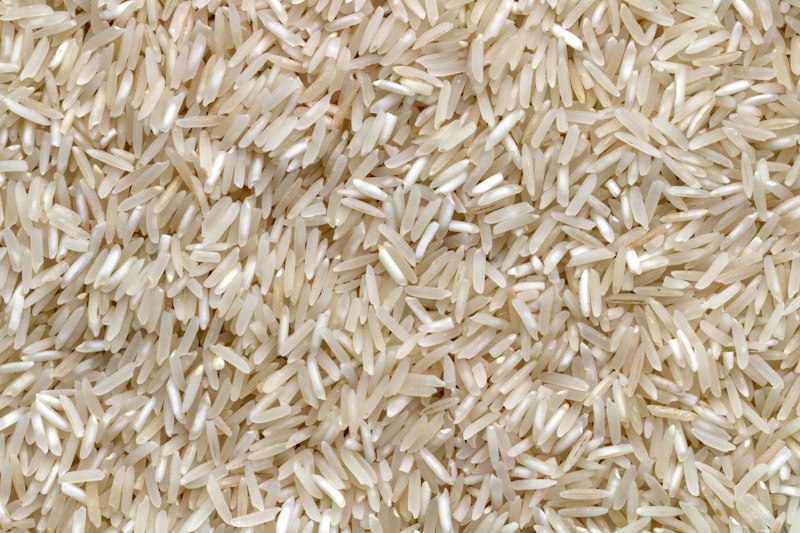
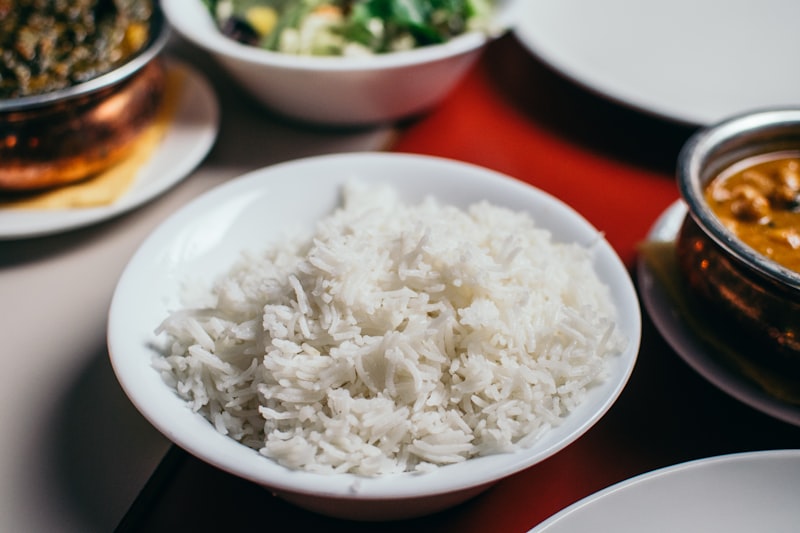
Basmati rice is known for its distinctive aroma, extra-long grains, and fluffy texture after cooking. It's the go-to choice for biryanis, pulaos, and special occasion meals. The grains elongate significantly (up to 2-3x) and remain separate when cooked. However, Basmati is generally priced higher due to the aging process and limited growing regions.
Non-Basmati rice, on the other hand, includes varieties like Sona Masoori, Parmal, and IR-64. These are shorter-grained, slightly stickier, and often more affordable. They're perfect for everyday meals like dal-chawal, curd rice, and South Indian dishes like idli and dosa batter.
Nutritionally, both types are similar in calories and carbohydrates. However, Basmati rice has a lower glycemic index (around 50-58) compared to most Non-Basmati varieties (65-72), making it a better choice for people monitoring blood sugar levels.
For cooking versatility, keep both in your pantry. Use Basmati for dishes where grain separation and aroma matter, and Non-Basmati for daily cooking where you want a softer, stickier texture. Sella (parboiled) versions of both are also available — they're more nutritious and forgiving to cook.
At Amritdhaan Wilmar, we offer premium quality in both categories. Our 1121 Basmati and Golden Sella are aged for maximum flavour, while our Non-Basmati Parmal Sella delivers everyday value in sealed, fresh packs.
Tags