Basmati rice is the crown jewel of Indian kitchens, but the market is flooded with imitations. Knowing how to spot authentic Basmati can save you money and ensure you get the real experience every time.
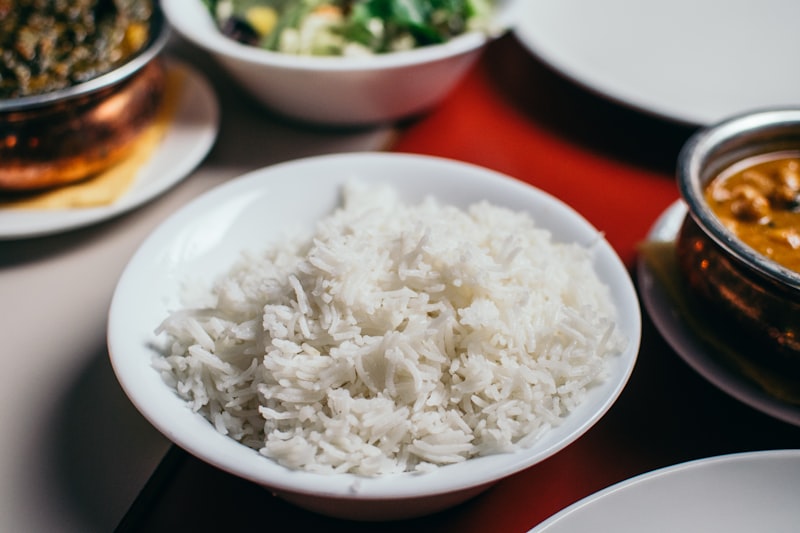
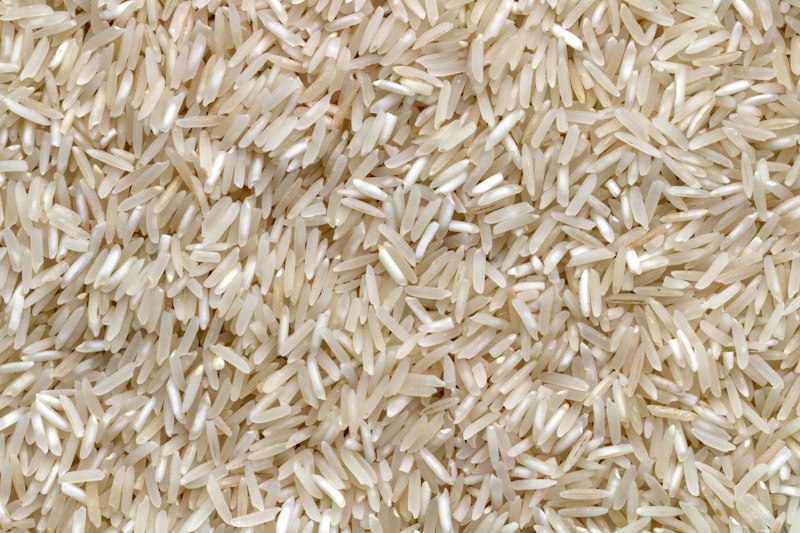
The first and most reliable indicator is grain length. Authentic Basmati rice grains are slender and at least 6.61 mm long. After cooking, genuine 1121 Basmati can elongate up to 22 mm — nearly three times its original size. If your cooked rice doesn't stretch significantly, it's likely not true Basmati.
Aroma is another key factor. Raw Basmati has a subtle, nutty fragrance that intensifies during cooking. This comes from a natural compound called 2-acetyl-1-pyrroline. Fake varieties often have little to no aroma, or may even have an artificial smell added.
Try the water test at home: soak a handful of rice in water for 30 minutes. Real Basmati grains will turn chalky white and expand lengthwise without breaking. Non-Basmati imitations tend to break or expand in width.
Aging matters too. The best Basmati rice is aged for 12-24 months after harvesting. Aging reduces moisture content, which means the grains cook up fluffier and more separate. At Amritdhaan, our 1121 Basmati is aged a minimum of 24 months.
Finally, always check for FSSAI certification and look for trusted brands. Amritdhaan Wilmar's factory-sealed packaging ensures you get authentic, unadulterated Basmati rice every single time.
Tags